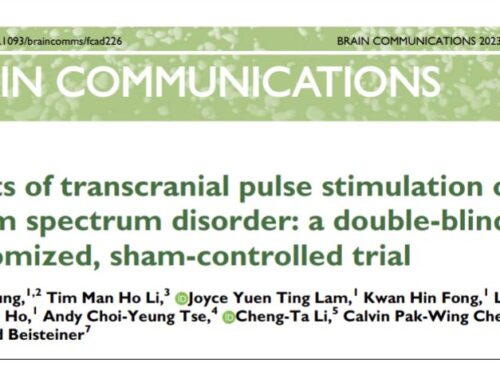
Transcranial Pulse Stimulation (TPS) is emerging as a potential non-invasive treatment for Major Depressive Disorder (MDD), a condition that has been increasingly prevalent, especially in the wake of the COVID-19 pandemic. A recent pilot study led by Cheung et al. (2023) investigates the efficacy of TPS in treating adults with symptoms of depression. The findings suggest that TPS could be a valuable addition to the treatment landscape for depression, particularly for individuals who have not responded well to conventional therapies.
What is TPS and How Does It Work?
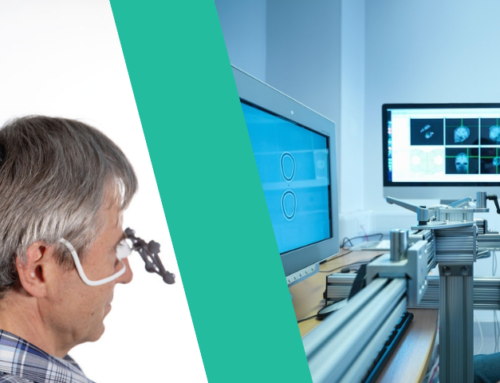
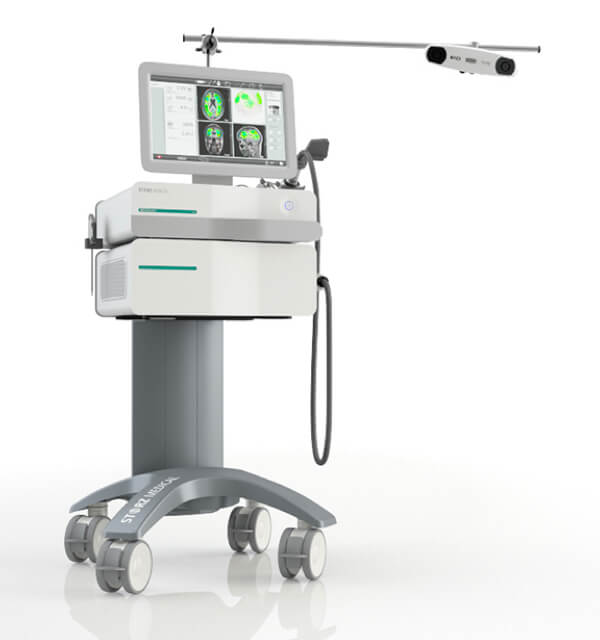
TPS is a type of non-invasive brain stimulation (NIBS) that uses low-intensity ultrasound waves to stimulate specific areas of the brain. Unlike other NIBS technologies such as Transcranial Magnetic Stimulation (TMS) and Transcranial Direct Current Stimulation (tDCS), which use electric currents, TPS utilises focused ultrasound. This allows for greater precision in targeting deep brain regions, which are often implicated in depression.

The underlying mechanism of TPS involves a process known as mechanotransduction. In this process, the mechanical pulses delivered by TPS stimulate brain tissue, leading to the release of growth factors and promoting neuroplasticity. This, in turn, can improve cerebral blood flow and support the regeneration of neural pathways, potentially alleviating some of the symptoms associated with depression.
Key Findings from the Study
Cheung et al.’s study is one of the first to examine the effects of TPS on adults with MDD. The study involved 30 participants aged between 18 and 54, who were randomly assigned to either a TPS treatment group or a waitlist control group. The TPS treatment consisted of six sessions over two weeks, each lasting 30 minutes.
The primary outcome of the study was the change in depression severity, measured using the Hamilton Depression Rating Scale (HDRS-17). The results showed a significant reduction in depression scores for the TPS group compared to the control group. This improvement was observed immediately after treatment and was sustained at a three-month follow-up.
In addition to reducing depression severity, the study also explored secondary outcomes such as cognitive function, anhedonia (the inability to feel pleasure), and daily living activities. Participants in the TPS group showed improvements in cognitive function and daily activities, as well as a reduction in anhedonia. These findings suggest that TPS may have broader benefits beyond just alleviating depressive symptoms.
Adding to the Body of Evidence on TPS
The study by Cheung et al. contributes to the growing body of evidence supporting the use of TPS in the treatment of depression and low mood. Previous research has demonstrated the effectiveness of TPS in improving depressive symptoms in patients with Alzheimer’s disease (AD). Additionally, a study published in IEEE explored the use of TPS in alleviating low mood, reinforcing the potential of this technology as a therapeutic tool for depression .
These earlier studies have laid the groundwork for understanding how TPS can influence mood and cognitive function. Cheung et al.’s research builds on this foundation by extending the application of TPS to a broader population of adults with MDD. The consistency of the findings across different studies strengthens the argument for considering TPS as a viable option for treating depression, particularly in cases where traditional methods have proven insufficient.
Implications for TPS Clinics
For clinics specialising in the treatment of cognitive and neuropsychiatric conditions, such as those within the Alzheimer’s Clinics network, these findings are significant. While TPS has been primarily used to enhance cognitive functions in patients with Alzheimer’s disease, this study suggests that it may also be effective in treating depression in otherwise healthy adults. Integrating TPS into treatment protocols for depression could provide an additional option for patients who have not found relief through traditional therapies.
However, it is important to approach these findings with cautious optimism. The study was a pilot with a relatively small sample size, so larger and more comprehensive studies are needed to confirm the results. Additionally, the long-term effects of TPS on depression are not yet fully understood, and further research is required to determine whether the benefits observed can be maintained over time.
As of yet, Alzheimer’s Clinics will not be treating patients with depression who do not also have an Alzheimer’s diagnosis, although London Alzheimer’s Clinics does provide TMS, a similar neuromodulatory treatment, for depression.