Clinical Evidence for NeuroPulse™ TPS®

What does the science say?

References to Scientific Literature

Alzheimer’s Disease

Transcranial Pulse Stimulation with Ultrasound in Alzheimer’s Disease—A New Navigated Focal Brain Therapy

Effectiveness Of Transcranial Pulse Stimulation In Alzheimer’s Treatment

Transcranial Pulse Stimulation in Chinese Patients with Alzheimer’s disease

Transcranial Ultrasound Pulse Stimulation Reduces Cortical Atrophy in Alzheimer’s Patients

Brain Stimulation by noninvasive Transcranial Pulse Stimulation (TPS) improves cognitive Deficits and Mood in Alzheimer’s Disease

TPS as a Treatment for Neurodegenerative Diseases – Treating the Brain at the Speed of Sound

Transcranial pulse stimulation (TPS) improves depression in AD patients

Transcranial Pulse Stimulation in Alzheimer’s: Long-Term Feasibility and a Multifocal Treatment Approach

Pilot clinical and EEG-biomarker results of transcranial pulse stimulation in Alzheimer’s disease

Transcranial pulse stimulation in Alzheimer’s disease

Non-invasive brain stimulation in cognitive sciences and Alzheimer’s disease

Parkinson’s Disease

Study Protocol: Investigating the Effects of Transcranial Pulse Stimulation in Parkinson’s Disease

Novel ultrasound neuromodulation therapy with transcranial pulse stimulation (TPS) in Parkinson’s disease: a first retrospective analysis

Effect of a single session of transcranial pulse stimulation (TPS) on resting tremor in patients with Parkinson’s disease

Effects of Transcranial Pulse Stimulation (TPS) as a potential “add-on” intervention in patients with Parkinson’s disease

Neurocognitive Disorders

Enhanced Cognition and Modulation of Brain Connectivity in Mild Neurocognitive Disorder: The Promise of Transcranial Pulse Stimulation

Major Depressive Disorder

Effects of Transcranial Pulse Stimulation (TPS) on Adults with Symptoms of Depression—A Pilot Randomized Controlled Trial

Healthy Brains & Safety Trials

First evidence of long-term effects of transcranial pulse stimulation (TPS) on the human brain

Low-Intensity Extracorporeal Shock Wave Therapy Enhances Brain-Derived Neurotrophic Factor (BDNF) Expression

Low-Intensity Extracorporeal Shock Wave Therapy Enhances Brain-Derived Neurotrophic Factor Expression Through PERK/ATF4 Signaling Pathway

02038876126 | info@alzheimersclinics.co.uk

Get in Touch
  • This field is for validation purposes and should be left unchanged.
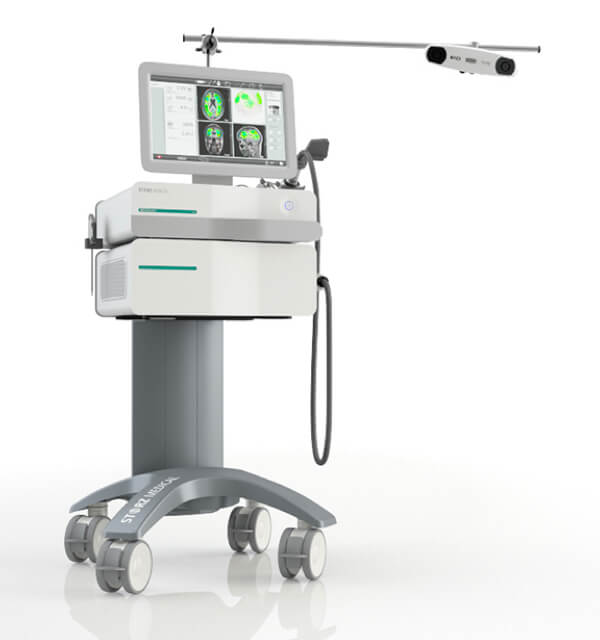
neurolith tps machine
